Our Club Chef invites you to
Home Cooked WEDNESDAY NIGHT DINNERS
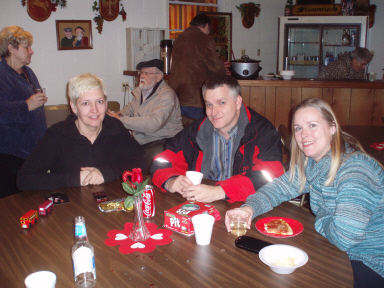
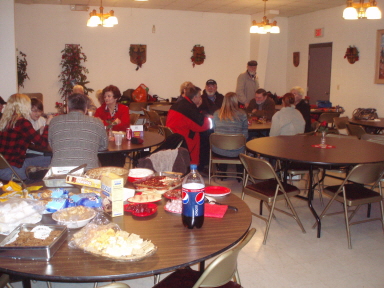
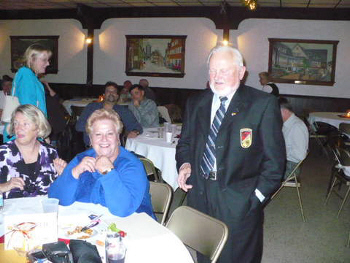
Germania Club invites the public to be our guest at dinner. Dinner is served from 5:00pm to 8:00pm.
The cost is $10 unless otherwise specified .
Our very reasonable cash-bar of fine German beers, wines & liqueurs are also available.
Please join us for dinner!!!
Wednesday Night Dinners 2015
Alternate entrée available for all dates: Schnitzel
January 21 ... Rouladen -or- schnitzel
February 18 ... Gulasch + Semmelknödel -or- schnitzel
March 18 ... Fish & chips + coleslaw –or- schnitzel
April 15 ... Half Cornish Hen –or-schnitzel
May 20 ... Aschenbraten (roast pork) –or- schnitzel
July & August = NO DINNERS!
August 16 ... Germania Club Members Picnic
September 16 ... Stuffed Cabbage –or- schnitzel
October 21 ... Wild Game Dinner (German style) –or- schnitzel
November 18 ... Rouladen –or- schnitzel
December 16 ... *Roast Duck + Potato Dumplings –or- schnitzel
**Call to reserve your Duck selection for December’s dinner
 by Sunday December 13th!**
All Dinners Include: sides, salad, bread, coffee and tea
along with a light dessert baked by our own members
Cash Bar
MEMBERSHIP INFORMATION
For individuals and families, joining the Germania Club is an opportunity to belong to the type of traditional German-American social and cultural organization that was common in our parents or grandparents time.
Organizations such as the Germania Club Downriver have traditionally been a central part of the social fabric for families in Detroit's German-American community.
Many people associate German social life with renown festivals such as Karneval and Oktoberfest and the great celebrations that are part of those events. However, besides being a great way to enjoy the camaraderie and good times, joining the Germania Club also presents an opportunity to introduce the next generation to the solid foundations of the "German work ethic", and commitment to community and family. Our events year-round are ones that you and your family will remember, and the friends you meet at the Germania Club will be friends indeed.
Membership is by application. During our current membership drive we have 'open' application, though normally, prospective members must be sponsored by an existing member.
To apply for membership, simply fill out an application and submit it with payment as indicated below.
Under age 65 -- $25 per year with a one-time $10 administrative fee
Age 65 and over -- $20 per year with a one-time $10 administrative fee
Membership benefits include:
Invitation to all Holiday gatherings throughout the year such as:
- Christmas & New Year's Celebrations
- The Bock Beer Festival in March
- Easter festivities and the annual children's Easter Egg Hunt
- Summer Picnics and Festivals
- Our annual German Fest
- Oktoberfest
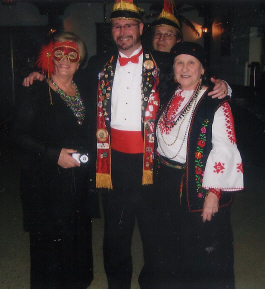
- Karneval Festivals which span over a 3 month period every year ... and other events such as the Potato Pancake Dinners ... and much more.
A popular Club event is our weekly Wednesday Dinner which includes live music and a cash bar ... usually followed by some air-rifle shooting with members of our "Schießengruppe" or Shooting-group. (Note: This shooting is with high-powered and expensive, modern air rifles. For shooting -- adults, and children over 12 accompanied by an adult only, please.)
Additionally, throughout the year members attend social get-togethers at other German Clubs in the Detroit metropolitan area, and occasionally at the Dakota Inn Rathskellar - one of the few traditional full service German Restaurant/Rathskellar/Biergartens still in operation.
Club Membership also brings you our newsletter; access to our German Heritage Library; the opportunity to contribute to the Club, its organization and operation; and its groups and auxiliaries.
It is friends. It is family. I don't think you'll find a better membership value anywhere.
For further membership information or to obtain or submit an application you may contact our membership chairman at the club; OR simply join us for our regular Wednesday Dinner or any event which is open to the public, and an club officer will be happy to provide you with an application.
We look forward to seeing you!
Jan. 21 Wednesday Night Dinner
Feb. 7 Karneval (German Mardi Gras)
Feb. 18 Wednesday Night Dinner
Mar. 18 Wednesday Night Dinner
Mar. 21 Bockbierfest (Bock Beer Fest)
Mar. 29 Easter Egg Hunt
Apr. 15 Wednesday Night Dinner
May 20 Wednesday Night Dinner
May 29-30 44th Annual German-American Festival
June 17 Wednesday Night Dinner
July (No Wednesday Dinner this month!)
Aug. (No Wednesday Dinner this month!)
August 16 Members Picnic
Sept. 16 Wednesday Night Dinner
Sept. 26 Oktoberfest
Oct. 9 German-American Day
Oct. 21 Wednesday Night Dinner
Nov. 18 Wednesday Night Dinner
Dec. 13 Members Christmas Party
Dec. 16 Wednesday Night Dinner